





The Murmansk Region presented key Arctic logistics development projects at the "Course to the Russian North – 2026" forum
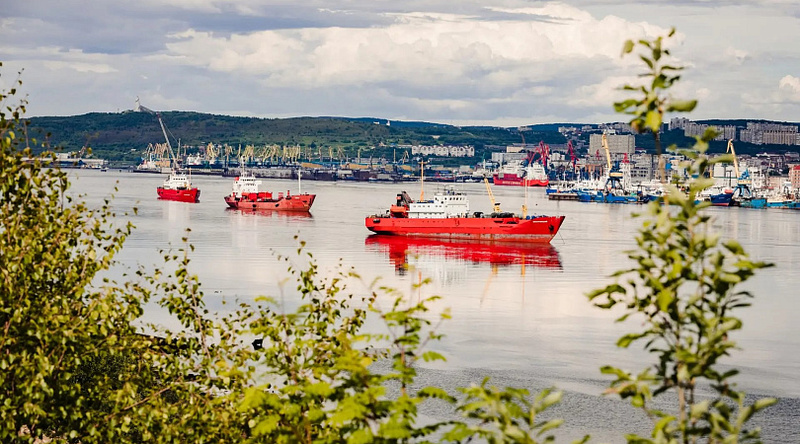
From July 1st to 2nd, the Karelia capital hosted the transport and logistics forum "Course to the Russian North – 2026." As part of the business program, Artem Kuksa, First Deputy Minister of Arctic Development and Economy of the Murmansk Region, spoke at a key session dedicated to the infrastructure of waterways in the Northwest and the Arctic, presenting a systemic vision of the region's role in the Trans-Arctic Transport Corridor.
In his report, Artem Kuksa outlined current and prospective projects in the Arctic for the development of the Trans-Arctic Transport Corridor. He emphasized that Murmansk's unique geographic and technological advantages form the basis for its leadership in Arctic logistics. Murmansk, the world's largest ice-free port, direct access to the oceans without passing through international straits, and the basing of the world's only nuclear-powered icebreaker fleet ensure the sustainable operation of the western Arctic. By the end of 2025, the port of Murmansk was among the top six largest ports in the country, and its share of total cargo turnover among Arctic Basin ports reached 56%, confirming its status as the leading transport hub of the Russian Arctic.
"An integrated approach to developing port and industrial infrastructure confirms Murmansk's status as a key port in the Trans-Arctic Transport Corridor and a key link in Arctic logistics," said Artem Kuksa.
The First Deputy Minister discussed priority areas in detail. Large-scale modernization of the Murmansk transport hub, including projects on the western shore of the Kola Bay, allows for increased throughput capacity to accommodate growing cargo traffic. According to approved plans, the port's projected capacity is expected to reach 100 million tons by 2030. A key milestone will be the launch of regular container services: a test call by the first container ship is scheduled for this summer, strengthening international cooperation.
The report places particular emphasis on creating a self-sufficient production ecosystem. A ship repair cluster is being steadily established in the region, and a concept for a new shipyard is being developed to meet the current needs of the Arctic fleet and develop long-term shipbuilding competencies.
The Murmansk Arctic University, which trains specialists in transport, logistics, and shipbuilding, is laying the foundation for these transformations. Currently, the Coastal Training and Simulation Center (CTSC) is being established on its premises, intended to become an important element of the Arctic maritime safety system.
The presented initiatives confirm the Murmansk Region's consistent commitment to strengthening the role of a key Arctic region. They aim to ensure the uninterrupted operation of the Northern Sea Route, unlock the territory's export and transit potential, and secure Murmansk's role as a key port in the Trans-Arctic Transport Corridor.
The "Course to the Russian North – 2026" forum covers a wide range of issues: from the market conditions for river and sea freight transportation in the Northwest to the modernization of inland waterway infrastructure and the integration of water transport into the Northern Sea Route system.
 Investment portal of Murmansk region
 Investment map of Murmansk region
 Agency of Strategic Initiatives
 Мойбизнес.рф
  Development center of
  Murmansk city Administration
 Investment portal of Arctic zone
 Rosinfra